Category Archives: Marketing

Digituskasta digiparatiisiin

Kävin Asiakkuusmarkkinointiliiton järjestämillä Digituska-festareilla. Hyvä tapahtuma ja tuttu tuska.

Joku esiintyjistä näytti – vähän vitsinä – käsittämättömän häkkyrän monikanavaisen markkinoinnin kymmenistä kontaktipisteistä ja mahdollisista asiakaspoluista. Juuri sellaisen mitä tällaisissa tapahtumissa näytetään. ”On se mennyt niin vaikeaksi”. Vai onko?

Markkinoinnin tavoite ei ole muuttunut: vakuuttaa asiakas siitä, että hänen kannattaa asioida juuri meidän firman kanssa.

Oliko tavoite helpompi saavuttaa 20 vuotta sitten vai nyt? No nyt. Tunnemme asiakkaat ja markkinat paremmin kuin ikinä aikaisemmin, pääsemme asiakkaan kanssa suoraan kontaktiin helpommin kuin aikaisemmin ja voimme heti vastata mahdollisiin kysymyksiin. Suuri osa tästä voidaan automatisoida. Uudet markkinointikanavat on tyypillisesti vanhoja halvempia.

Parempaa ja halvemmalla, what more do you want??


The Bridge that has a Loyalty Program

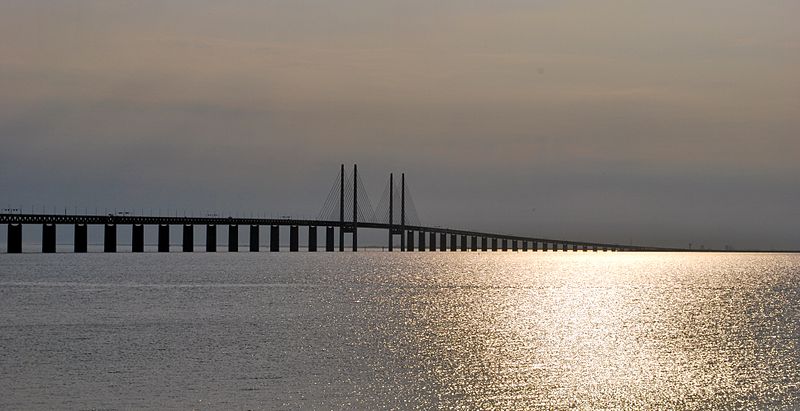
If you’ve watched the crime drama “The Bridge” on TV, you’ll be familiar with the bridge connecting the Danish capital Copenhagen and the Swedish city of Malmö.(* The CRM and email program of that bridge is surprisingly sophisticated.

Image

More than 20 000 cars cross the Öresund bridge between Denmark and Sweden daily. Most of the bridge users live close by, and about half of the trips are related to leisure travel, the other half being business.

The bridge has nearly 300 000 loyalty program members, carrying a device that allows them to pass the toll booth through a priority lane. This is only one of the benefits they receive.

Increased sales

If each loyalty program member crossed the bridge one additional time each month, the bridge company sales would increase by 60 million euros. Boosting traffic is the aim of the loyalty program. In other words, they want to increase the number of customers and increase their shopping frequency, like in any other loyalty program.

Each member gets profiled according to his or her behavior pattern for using the bridge, and their declared and observed interests for leisure time. Based on the profile, the customer gets personalized communication from the bridge company, whether it’s by email, contact center, website or the mobile app of the bridge.

Does your CRM program have these ten features?

Here’s some of the stuff the Öresund Bridge loyalty program does. Is there something on the list that you could apply in your program?

  1. Customer contacts are tailored based on the customer profile that is unique to each individual. The same message never goes to all customers.
  2. Customer segmentation is based on the customer’s actual and observed behavior – not just on what they claim to be interested in when asked in surveys.
  3. In marketing emails, each click on each link on every email gets registered for each individual customer. This data is stored in the customer analytics and dialogue database. For instance, the customer clicking a link about a golf tour offer is probably interested in golf and will see golf-related offers in the future as well.
  4. The profile -based offers are presented to customers in both outbound and inbound channels. The customer contacting the call center is informed about the current offers most relevant to him or her.
  5. Every email campaign is used for testing different versions of the message. This so-called A/B testing is done in all campaigns. Consequently, there’s continuous learning and improvement in campaign results. The open rate of the personalized emails is impressive, over 30%.
  6. Communications program based on customer life cycle stage. The bridge company takes the customer’s life cycle stage into account in each contact. The stages they use are: Generate =>Develop => Nursing => Winback.
  7. Most of the 1-to-1 messages going to the customers are sent automatically, based on triggers. Automatized communications result in huge savings by reducing manual work and by preventing errors that are typical when creating campaigns manually. The triggers are typically something that the customer did – or didn’t do.
  8. Email addresses that are no more in use (hard bounces) are actively updated by asking the customer to give his or her current email address at every opportunity in the other contact channels. An email address is not less valuable than a postal mail address.
  9. Prospects visiting the web site of the bridge get targeted display-advertising after their visit. Even though the visitor is not yet identified, he or she gets retargeted by behavior-based web ads.
  10. The bridge has a mobile app for their customers. With the app, you can plan your trip, and it also prompts you about current offers. The app can also be used to post the trip on social media.

 Does your loyalty program win the Öresund Bridge?

This loyalty program is a nice example of good use of customer analytics and marketing automation. If your CRM program does all the things listed above – congratulations! If the Bridge beats you, how about your competition then, are you able to beat them in the customer centricity game?

(*The American version of “The Bridge” TV series features a different bridge, namely the one connecting El Paso, Texas, and Ciudad Juarez, Mexico.

Photo credit: Nikos Roussos, licensed under the Creative Commons Attribution-Share Alike 2.0 Generic license.

This is an English version of an article published in the Finnish DMA yearbook. 
Kesko dared, will S-group follow suit?

Finally!!

This fall Finland’s number two retailer Kesko began targeting their direct marketing based on their customers’ purchase history. Doesn’t sound too special, but that’s what it is. They became actually the first brick-and-mortar retailer to do it in this country.

Finnish retailers have been gathering their customers’ purchase data for years. However, from the customer’s point of view, this data has largely been left unused. From here onwards, the customer will hopefully see well executed personalized offers on products they like. In addition, there should be an improvement in customer experience, resulting from improved insight from analyzing the purchase data.

Kesko has thus embarked on a journey paved by Tesco in Britain some 20 years ago. Making use of customer analytics catapulted Tesco to the market leader position in Britain, made it the second largest retailer in the world, and helped it create a sizable ebusiness. According to former CEO Terry Leahy, productivity of Tesco’s marketing improved by 1000% because “offers could be tailored to what people actually wanted to buy”. Simple and smart.

The story of Tesco’s loyalty program can be read in this book that has already become a classic of sorts among marketers interested in customer insight. One of the key messages of the book is that in addition to marketing, actually everything that the company does is guided by the insight they get from customer data.

Finnish retail has finally entered the 1-to-1 marketing era. Kesko dared take the risk and face the criticism of those consumers who have privacy concerns about customer analytics. This sort of hesitation is probably hard to understand in many parts of the world but in this country it’s been the reality so far.

So, will Finns abandon shopping at Kesko stores as a protest? Of course not.

It’ll be interesting to see the response from S-group – the number one retailer – who’s expected to nominate its new CEO tomorrow. One of his key tasks will be to embrace ecommerce, something that Finnish retailers have so far left mostly to foreign competition. And this is starting to hurt.

Hence, this time the logical step for S-group would be to follow on Kesko’s footsteps, as it’s hard to imagine ecommerce without personalized marketing.

Kesko uskalsi

Vihdoinkin!!

Kesko alkoi tänä syksynä kohdentaa suoramarkkinointia asiakkaan ostamien tuotteiden perusteella. Yhdennellätoista hetkellä, sillä Suomen vähittäiskauppa on kerännyt asiakkaan ostohistoriaa jo vuosia, mutta jättänyt tiedon asiakkaan näkökulmasta suurelta osin hyödyntämättä. Ei ihme, että kaupan bonusohjelmia kritisoidaan.

Tähän asti kuluttajat ovat antaneet kauppojen kerätä ostotietojaan, mutta tietojen keräämisen syy on jäänyt vähän epäselväksi. Jatkossa kaupan asiakkuusohjelmien hyöty toivottavasti konkretisoituu kuluttajalle yksilöllisinä tarjouksina tätä kiinnostavista tuotteista. Toinen hyöty on asiakaskokemuksen parantuminen, kun kauppa oppii ymmärtämään asiakkaan tarpeita paremmin.

Kesko on lähtenyt brittiläisen Tescon 20 vuotta sitten viitoittamalle tielle. Asiakasanalytiikan hyödyntäminen nosti Tescon markkinajohtajaksi Britanniassa ja auttoi sitä kasvamaan maailman toiseksi suurimmaksi vähittäiskauppaketjuksi sekä isoksi nettikauppiaaksi. Tescossa markkinoinnin tehokkuus kuulemma parani 1000% asiakasanalytiikan myötä.

Tescon kanta-asiakasohjelman tarinan voi lukea tästä alansa klassikoksi nousseesta kirjasta. Yksi kirjan avainviestejä on, että markkinoinnin lisäksi yrityksen koko liiketoiminta perustuu asiakastiedon hyödyntämiseen.

Suomessa tulppa on nyt poistettu. Kesko uskalsi lopulta ottaa riskin ja kohdata joidenkin kuluttajien kritiikin yksityisyyden suojan loukkaamisesta.

Lopettavatko ihmiset protestiksi K-kaupassa käymisen? Eivät tietenkään. Toivottavasti tämä vuosi jää historiaan hetkenä, jolloin suomalainen kauppa siirtyi nykyaikaan yksilöllisessä markkinoinnissa ja myynnissä.

Kannatatko sinä asiakastiedon käytön lisäämistä kaupan toiminnassa?